Soil, slabs and cracking in Sunbury VIC
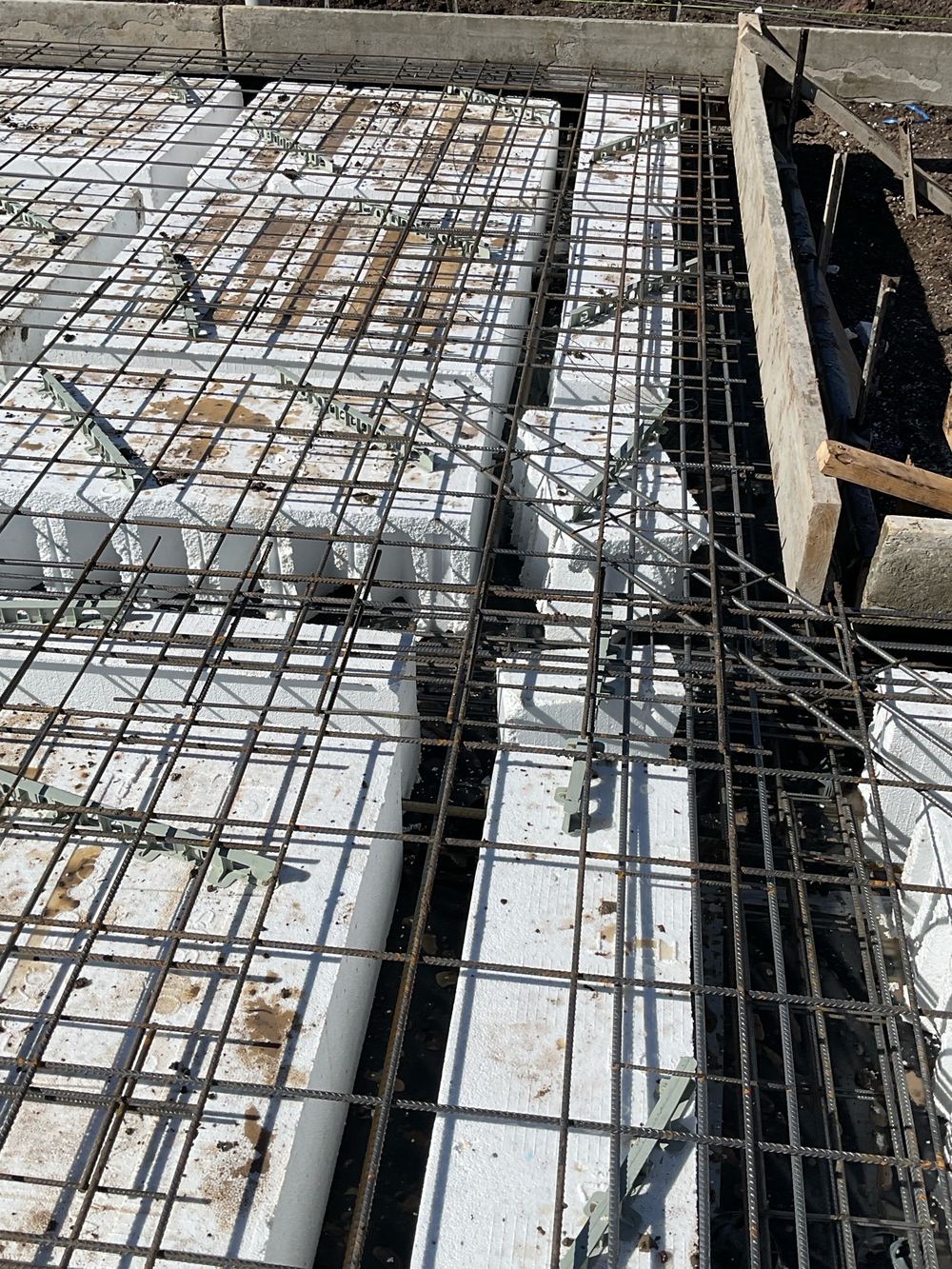
Sunbury sits at the edge of the volcanic plains. Newer Volcanics basalt caps much of the high ground, while the Jacksons Creek valley cuts down into much older Silurian and Ordovician sediments. Basalt usually weathers into reactive clay that swells when wet and shrinks when dry, and the valley sides behave differently again. That is why we never quote a site class for the suburb: the soil report for your lot sets the slab design, and keeping water away from the slab edge decides how well it performs.




Two kinds of ground
Basalt plains and the older sediments exposed in the creek valleys produce different soils, sometimes within a short distance.
Reactive clay
Clay from weathered basalt moves with moisture. Even, steady moisture under the slab keeps movement down.
Drainage decides a lot
Downpipes onto soil, garden beds against walls and ungraded blocks all wet one side of a slab more than the other.
What we see in older homes
Corner cracks and uneven floors in established houses often trace back to years of uneven moisture around the footings.
Your soil report
It classifies your lot under AS 2870 and is the document the engineer designed the slab around. Ask for it early.
More about Sunbury
- Building a new home in Sunbury VIC
- Buying a house in Sunbury VIC
- Growth and development in Sunbury VIC
- Permits, council and building disputes in Sunbury
- Termites and timber pests in Sunbury VIC
- Common building defects in Sunbury homes
- Wind, slopes and planning overlays in Sunbury VIC
Written by our local inspection team from work carried out in Sunbury. Licensed building practitioners, Building & Plumbing Commission registration CDB-U 53425.